
What Your Cannabis Plant Is Telling You, and Why Most Growers Miss It
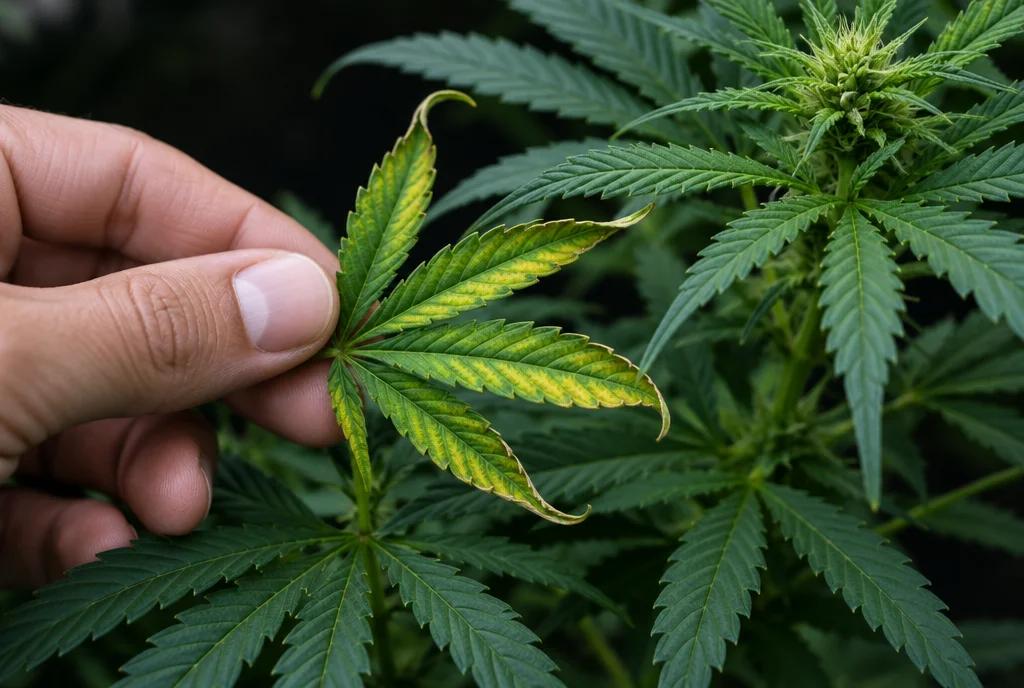
Cannabis plants are surprisingly expressive. Long before a problem shows up as yellow leaves or a disappointing harvest, the plant has usually been signaling it for days, through the angle of its leaves, the space between its branches and the color of its tips. Experienced growers read these signs almost without thinking. Everyone else tends to notice them too late.
Signals Worth Learning
- Drooping leaves. Heavy, limp leaves often mean too much water. Thin, papery droop usually means too little. Same symptom, opposite causes.
- Leaves curling up at the edges. Often called “tacoing,” this is a classic sign of too much heat or too much light. The plant is trying to shade itself.
- Stretching. Long, thin stems with big gaps between the branches mean the plant is reaching for more light.
- Bleached tops. Pale or white leaves at the very top of the plant usually mean the light is too strong or too close.
- Yellowing lower leaves. Early in the grow, this often points to nitrogen hunger. Late in flower, some fading is natural, as the plant moves its resources into the buds.
- Changing pistils. When the white hairs on the flowers start darkening and curling in, harvest is getting closer.
The Real Problem: You’re Not There
Learning the signals is the easy part. Catching them is hard. Many of these changes happen over hours, and most home growers look at their plant once or twice a day, often in a hurry. Every time you open the door to check, you also let out the warm, humid air the plant was enjoying. And if you go away for a weekend, nobody is looking at all.
Commercial growers solve this with people. Someone walks the grow rooms every day, takes notes and photos, and compares today with last week. That kind of attention is what turns a decent grow into a great one, and it’s exactly what a home grower can’t give.
How We Solved It for Sunday
We gave Sunday eyes. Its dual HD cameras snap a photo of your plant every 10 minutes and upload it to the cloud, so Sunday sees changes as they happen, day and night.
Sunday’s AI uses those images to monitor plant health, analyzing leaf shape, plant height and flower development. If your plant starts to look a little droopy, Sunday spots it and either makes the right adjustments or sends you a quick update through the app. The cameras also measure how tall your plant is, which Sunday uses to set the intensity of its LED, so the light adapts as the canopy grows closer. We explain why that matters in How Much Light Does Cannabis Really Need?
When something needs your hands, like trimming, the app sends a notification with simple, guided instructions. And because you can view your plant live from the app, you never need to open the door just to check on it.
Every photo also becomes part of a growlapse, a time-lapse of your whole grow from seedling to harvest. We’ve documented dozens of successful grows this way, in our own setups and in real homes. And with every grow, Sunday learns and gets better at reading plants.
The Takeaway
Your plant is talking all the time. Learn its basic signals, and look at it often, even if only through a screen. And if you get the chance, watch a full growlapse. Seeing weeks of growth play out in a minute is one of the fastest ways to learn what a healthy plant looks like.
Let Sunday do the growing
Sunday automates light, climate, watering and feeding, the way the pros do it. Join the waitlist to be first in line when pre-orders reopen.